

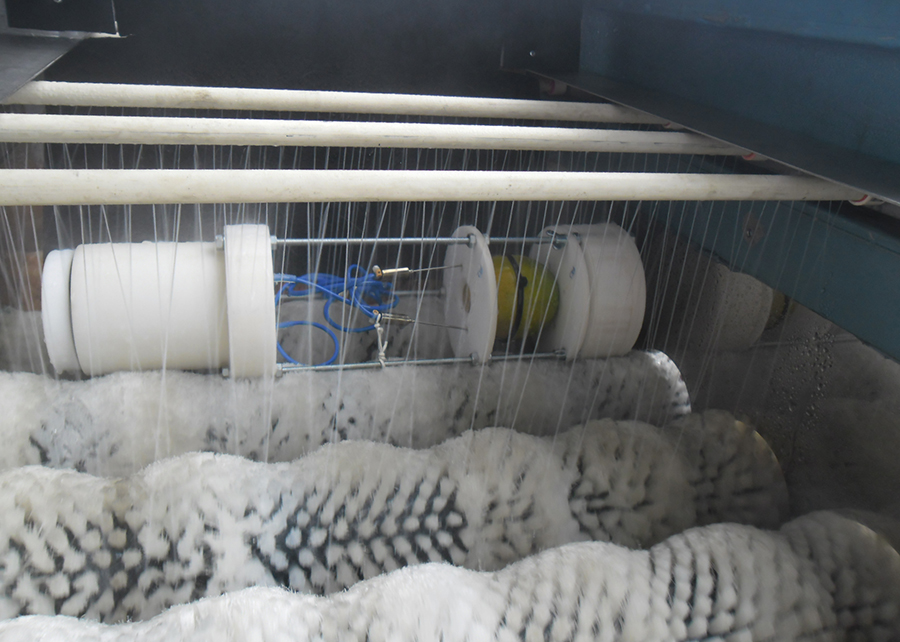
Brazilian innovation seeks to reduce postharvest losses, that come to alarming 80% in some species. A Embrapa Meio Ambiente (SP) presented a device that allows you to follow, real -time, How heat is distributed inside the fruits during hydrothermal treatment. This technique is essential to ensure efficiency in disease control after harvesting and preserving the quality of fruits, meeting the requirements of international markets.
Segundo o pesquisador Daniel Terao, device creator, Thermal treatment not only eliminates harmful microorganisms but also strengthens the natural defense of fruits. “Heat causes biochemical and physical changes that protect fruits, like the closing of microfer in the wax layer, avoiding the entry of opportunistic fungi ”, Explain.
Innovation in the fight against losses
The new device is a key piece to validate hydrothermal treatment on a large scale. It measures how heat is distributed from the surface to the fruit pulp, ensuring that the temperature applied is sufficient to eliminate pathogens without causing damage to product quality. “Without proper monitoring, There is a risk that the fruit suffer qualitative damage, as changes in texture and taste ”, alert Terao. Technology also facilitates the fulfillment of international health and quality standards, essential to keep Brazil as one of the largest fruit exporters in the world.
The device is used for heat transmission studies during hydrothermal treatment due to heated water sprinkling on spinning fruits. It is composed of an electronic data recorder, What a non -interior protected container. The fruit is placed in an adjustable accommodation space, then temperature sensors are connected (thermocouples) with a test tip inserted in the fruit at different depths and the other tip connected to the electronic data recorder, allowing the monitoring of heat transmission along the fruit, real -time, during hydrothermal treatment. Therefore, It is possible to adjust the temperature of the heat treatment in order not to impair the quality of the fruits.
Postharvest losses: a national challenge
Brazil, Greater global orange juice exporter and prominence in the production of fruits such as mango, Melon and papaya, faces a serious problem: Post-harvest losses. Due to inadequate transportation, lack of refrigeration and ineffective treatments, Tons of fruits are discarded annually.
Entre as doenças que podem afetar as frutas na pós-colheita estão as manchas necróticas e podridões causadas pelo fungo Neofusicoccum small; perdas significativas devido ao Fusarium pallidoroseum ocorrem em melão, During transportation and storage; and in citrus the green mold and other infections compromise the production chain. These diseases reduce the quality and amount of fruits available, directly impacting the national economy and the competitiveness of Brazilian exports.
Sustainability in Focus
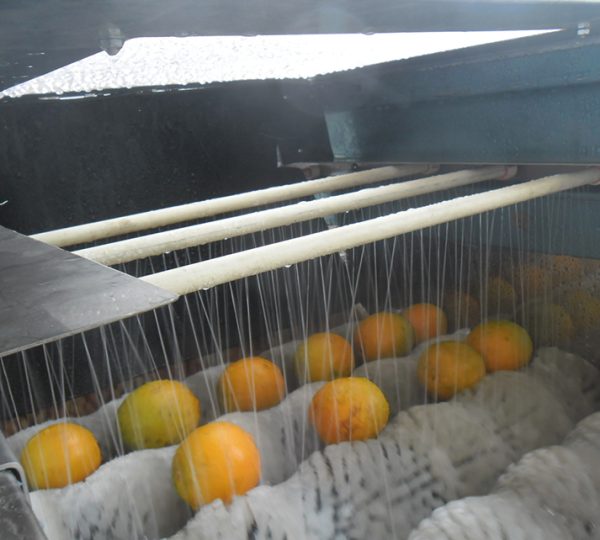
Embrapa's research points to hydrothermal treatment (Photo below) as a sustainable solution for the control of postharvest diseases. This technique uses hot water sprinkling over rolling brushes to disinfest the fruits and activate their natural defense mechanisms.
With increasing restrictions on the maximum waste limit (LMR) of pesticides in international markets, as European Union and the United States, The Brazilian fruit sector seeks less chemical and more sustainable alternatives.
Furthermore, microorganisms that attack fruits often produce mycotoxins, substances that make foods inappropriate for human consumption. Fruits like papaya and melon, for being more succulent, are especially vulnerable to these agents.
In search of partners
The patent request of the device was deposited, marking an important step for your commercial application. However, challenges still need to be overcome, as the adaptation of technology for different types of fruits and integration with biological control methods. For this, Embrapa looks for a private partner to finish the product and take it to the market. Interested companies can contact us by email: cnpma.spat@embrapa.br
Researchers believe that, with the use of technologies similar to this, Brazil can significantly reduce postharvest losses, strengthen its international competitiveness and adopt agricultural practices more aligned with global demands for sustainability.
- With information from Embrapa